
The Cornell Center for Immunology leverages Cornell University’s unique strengths and builds synergistic collaborations across the University’s campuses, schools, departments, and disciplines to enhance research capacity and scientific discovery in immunologic sciences.
Intercampus Immunology
Work-In-Progress Series
Fall 2026
Tuesday, September 29, 2026 | 12:00-1:00 p.m.
Negin Majedi, PhD
Assistant Professor, Sibley School of Mechanical and Aerospace Engineering, Cornell University
Mohamad Hamieh, PhD
Assistant Professor of Immunology Pediatrics, Weill Cornell Medical College
—
Tuesday, October 27, 2026 | 12:00-1:00pm
Andrew White, PhD
Associate Professor, Department of Biomedical and Translational Sciences
Xinbo Yang, PhD
Assistant Professor, Molecular Pharmacology, Weill Cornell Medical College
—
Tuesday, November 17 | 12:00-1:00 p.m.
In person seminar, location TBD
Ellen Rothenberg, PhD
Edward B. Lewis Professor of Biology, Division of Biology and Biological Engineering, Caltech
—
Tuesday, December 15 | 12:00-1:00 p.m.
Brian Rudd, MPH, PhD
Professor of Immunology, Department of Microbiology and Immunology
Ivan Maillard, MD, PhD
Laurence Joseph Dineen Chair in Leukemia Research
Head, Division of Hematologic Malignancies, Department of Medicine, Memorial Sloan Kettering Cancer Center
Professor of Medicine, Weill Cornell Medical College
—
Zoom links for the WIPS will be announced via the center email list.
Cornell-led NIH grant will reveal how immune cells communicate in living tissues
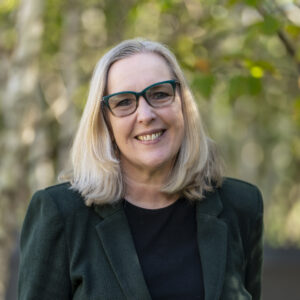 A $13.3 million grant from the National Institutes of Health will support a Cornell-led effort to reveal the long-standing mystery of how immune cells communicate within living tissues across time and space, which could shape new approaches for treating inflammatory diseases, autoimmune disorders and infections.
The five-year program project grant will bring together immunologists, engineers and computational scientists from Cornell and the University of Rochester Medical Center, and combine advanced imaging and spatial genomics technologies allowing researchers to observe immune responses in unprecedented detail.
Immune responses are dynamic and highly localized, and traditional approaches to immunology research – such as blood samples or biopsies – often fail to capture immune activity where it is actually occurring, said Deborah Fowell, professor and chair of microbiology and immunology in the College of Veterinary Medicine and director of the Cornell Center for Immunology, who will lead the project.
For the full story in the Cornell Chronicle, click here.
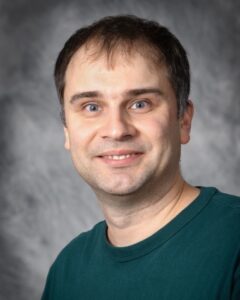
Andrew Flyak, assistant professor in the Department of Microbiology and Immunology in the College of Veterinary Medicine, has been named a 2026 Pew Scholar in the Biomedical Sciences. Flyak is one of 21 Pew Scholars this year to receive a four-year, $300,000 grant.

